 Deutsch
 Dansk
Dansk Svenska
 Nederlands
 Español
 Lietuvos
- AI and SEO aren’t competing – optimizing for SEO now means being relevant for both Google and ChatGPT answers.
- Google already uses AI extensively in AI Overviews and search results, so this shift is already happening.
- Google’s visual format (maps, images, videos) will remain superior to text-only AI responses for many types of searches.
There is a lot of discussion in SEO right now about SEO vs AI. I see debates daily on Twitter and LinkedIn.
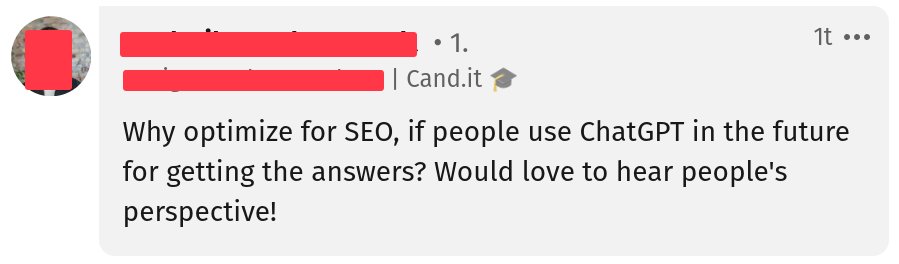
For example, this question on LinkedIn:
And here is my perspective:
AI = SEO
AI is part of the SEO game and it has been for a while now.
To me, SEO means my company gets mentioned when someone searches or prompts. Both Google and ChatGPT are AI answer machines. So maybe it should be called AEO (Answer Engine Optimization), but that’s irrelevant to me.
I don’t care if people find answers on ChatGPT or Google. I am optimizing to be included in the answers everywhere.
One example of how Google already uses AI
AI Overviews now appear at the top of search results, providing AI-generated summaries that aggregate data from multiple sources. Over 50% of Google searches now include these AI summaries. I just did this search:
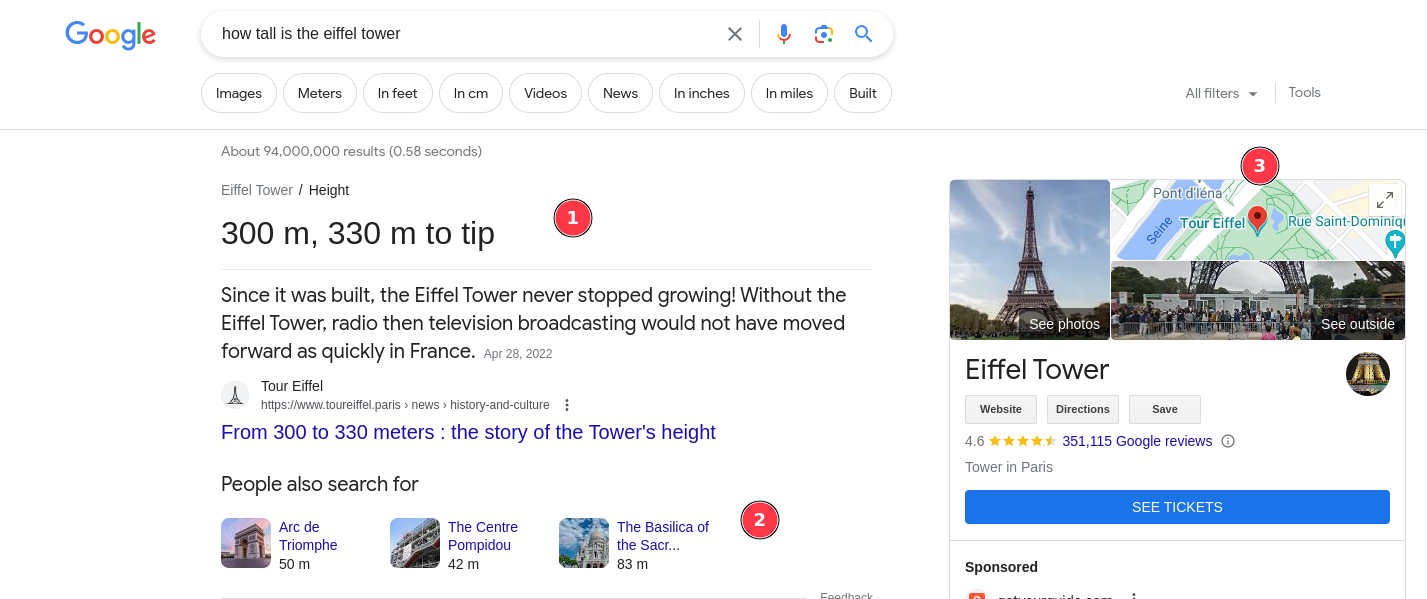
- Intelligently highlighting text from a website in the search results. Google understands what you want to know even if you don’t give a lot of details.
- Your search is also intelligently categorized. So now Google can find other relevant monuments and even include their answers (see the height is shown below them).
- And finally, it will give you relevant further info. Again, this info is semi-intelligently chosen. AI could be involved here too.
Here is the proof that AI = SEO
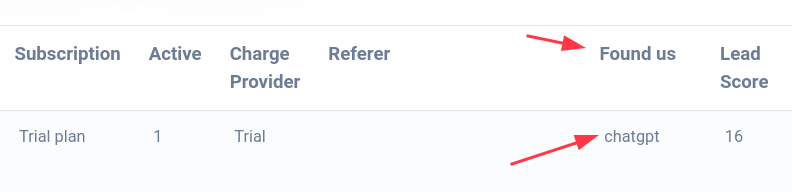
The picture below is a user in our system that signed up. We asked where the user found us and “chatgpt” was mentioned. We see this regularly now.
This means ChatGPT went in and selected our tool (among 300 competitor tools) and displayed it to the user. Imagine the user prompted “give me a list of the best SEO tools.”
Traditional Google search still drives more traffic overall, but the gap is narrowing.
SEO has transformed into the discipline of being relevant for AI chatbots like ChatGPT or Google’s own AI Mode (the fully integrated conversational search platform formerly known as Bard).
And I think this shift has been very undramatic. Google remains a dominant search platform, and as AI tools like ChatGPT and Perplexity gain market share, we simply dedicate more resources to optimize for them too.
Maybe the biggest change has been the rise of AI writing tools to help out with SEO. It’s kind of ironic that the claimed SEO killer becomes a boost for SEO instead 😀
Why ChatGPT text answers will not be better than Google search in many cases
There are many searches where it still makes sense to get results in the format Google is using right now.
Example 1: Someone searching for “Grocery store Copenhagen”
You really just want an intelligent Google Maps view here, not an AI chatbot text.
Example 2: Someone searching for “Best laptops for coding”
You would probably like to see what real humans say on Reddit and Quora, for example. You might also be interested in experts like Tom’s Hardware, etc. An AI answer might be interesting too as part of the mix, but it won’t stand alone.
In general, with Google you get images, videos, maps, and even graphs as part of your search. This visual experience is often superior to text output. And it’s way faster than AI prompts.
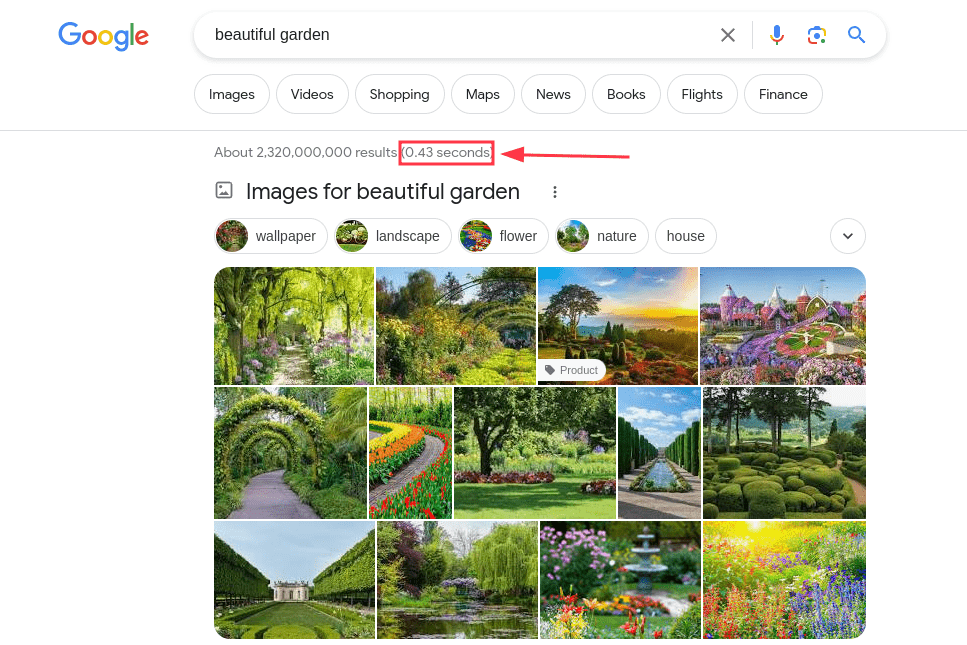
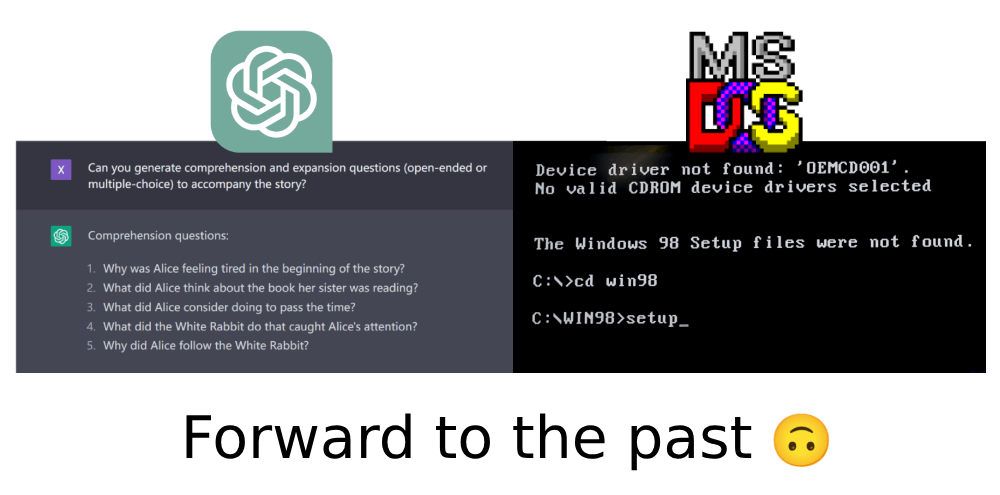
I get a bit of an old MS-DOS days vibe when I use ChatGPT. It’s this text input/output machine. It’s an amazing format for coding advice, for example. Not so much for discovering beautiful flowers for the garden.
Thanks for reading this opinion post. I am always happy to connect on LinkedIn and hear your thoughts about this topic.
Questions I often get and my answers:
Is SEO dead with ChatGPT and AI search?
No, SEO isn’t dead – it’s evolving. While Gartner predicts traditional search engine traffic will decrease by approximately 25% by 2026 due to AI chatbots, this represents a shift in how SEO works rather than its end. The core principles of optimizing for visibility remain relevant, whether that visibility is in Google results or ChatGPT answers. Think of it as expanding your optimization efforts rather than replacing them.
How can I optimize my content to appear in AI-generated answers?
Focus on clear, structured content that directly answers questions using headings, FAQs, and schema markup. Implementing schema markup helps AI models recognize and utilize your content more easily. Building authority through high-quality content, expert quotes, and original research also increases the likelihood of being cited by AI systems like ChatGPT.
Can I track if ChatGPT is sending traffic to my website?
Yes, you can track this in your analytics by looking at referral sources or by asking users where they found you (like we do at Morningscore). We regularly see “chatgpt” mentioned when we ask new users how they discovered us. This shows that AI tools are actively recommending and driving traffic to websites, just like traditional search engines do.
What are the main limitations of using AI for SEO?
AI-generated content can lack nuance, emotional tone, and deep understanding of user intent, which impacts engagement. There’s also a risk of over-reliance leading to generic, low-quality content that could result in SEO penalties. AI may produce repetitive or unoriginal content that fails to meet nuanced user needs, so human oversight remains essential for quality control.
Will traditional Google search disappear because of ChatGPT?
I don’t think so. There are many searches where Google’s visual format – maps, images, videos, and graphs – is still superior to text-only AI responses. For example, searching for “Grocery store Copenhagen” really just needs an intelligent Google Maps view, not a chatbot text response. Recent data shows that while 37% of consumers now initiate searches using AI tools, Google remains dominant and the shift has been fairly undramatic overall.